
Makoto Hara’s Search for Worth
A ManHara’s efforts to escape his father’s legacy show how self-punishment and the fear of inherited violence shape his choices.
increasing Bearing strength in each event
 decreasing
Bearing strength in each eventdecreasingThe Father’s Crime
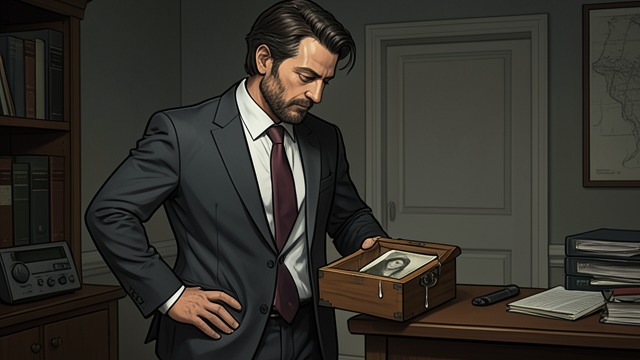
A Child Connected to Violence
A family destroyed
Kenkichi Kobayashi murders three people, including a boy who had been Makoto Hara’s friend.
Shame becomes identity
Hara is treated as if he shares responsibility for his father’s actions. The social judgment becomes entangled with his own fear of what he might become.
The Body as a Prison
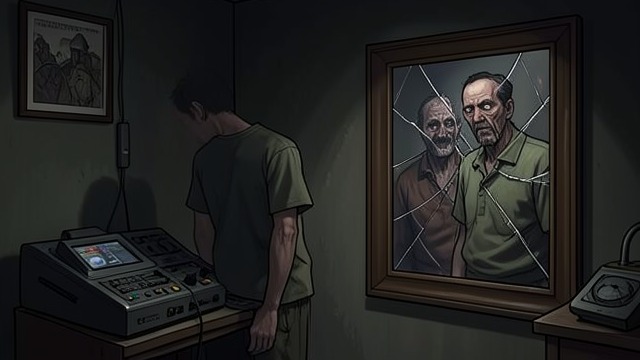
Resemblance as Threat
Bullying and self-hatred
Hara sees his resemblance to Kobayashi as evidence that something monstrous may live inside him.
A limited refuge
He hurts and disciplines his body because he fears losing control. The conviction that he is dangerous makes love and ordinary belonging difficult to imagine.
The Ring as Self-Control
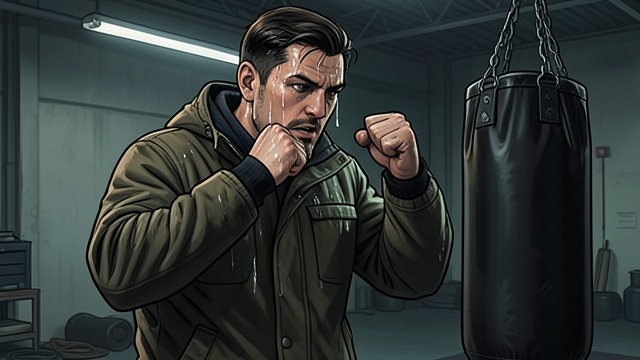
Fighting His Own Fear
Training
Hara uses boxing to master impulses he fears, seeking discipline rather than aggression.
A complicated rise
Success offers a chance to belong but also makes him more visible. He cannot separate achievement from guilt about the dead and their surviving family.
The Victims’ Family Question

An Impossible Approach
Advice from the club
Kosuge suggests Hara speak with the murdered family’s survivors before continuing toward a public career.
Collapse under the burden
Yanagisawa later remembers Hara breaking down during a run. He never makes the visit, and the pressure culminates in his fall and withdrawal.
Choosing a Quiet Life
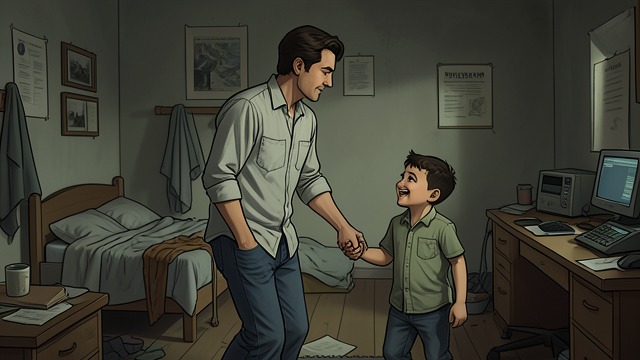
A New Beginning
Changing registers
Hara leaves his first identity behind and takes on Daisuké Taniguchi’s history, hoping to live without his father’s name following him.
A life made through care
As a husband and stepfather, he gives Yuto patience and builds a brief family happiness. His life does not erase the past, but it changes what the past can mean.
1985
Childhood through adolescence
1995–1997
Before the All Japan final
After his second suicide attempt
